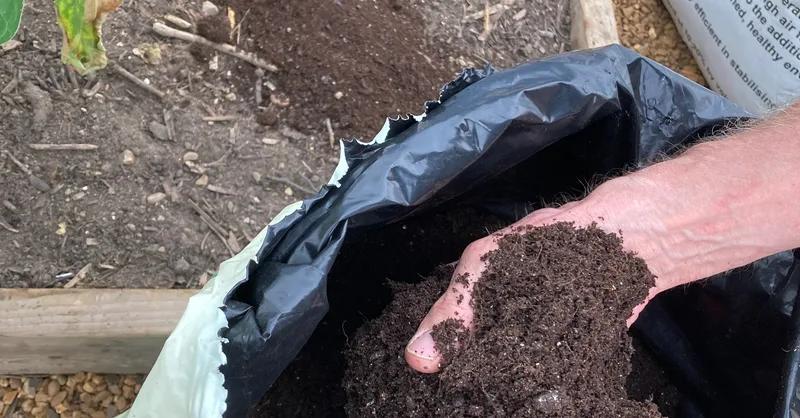
Peat bogs are valuable habitats that store large amounts of carbon, and extracting peat for garden compost damages them. Peat-free composts have improved enormously, but they behave a little differently from the peat mixes many of us grew up with.
What is in peat-free compost
Peat-free composts are built from alternatives such as composted bark, wood fibre, coir (coconut husk), composted green waste and sometimes loam. The proportions vary between products, which is why two bags labelled peat-free can behave quite differently.
Choosing a bag
- Match the product to the job: fine, sieved mixes for sowing and cuttings; coarser multi-purpose mixes for potting on and containers.
- Loam-based composts are good for long-term container plants and big shrubs in pots.
- Feel the contents: it should be crumbly and moist, not soggy, dusty or smelling sour.
- Look for products that state they are peat-free on the front of the bag, not just that they contain "reduced peat".
Watering differently
Peat-free mixes can look dry on top while staying wet below, or the reverse. Lift the pot: a light pot needs water, a heavy one probably does not. Water thoroughly, letting excess drain, rather than little and often. Containers can dry out fast in summer; group them together and use saucers sparingly.
Feeding
The nutrients in any compost are used up after about six weeks, and some peat-free mixes have a different nutrient release pattern. Begin a liquid feed after about four to six weeks, or add a slow-release feed at potting time. For fruiting crops like tomatoes, use a high-potash feed once the first flowers set.
Storage and reuse
Keep opened bags closed and in the shade. Do not store in damp conditions over winter or the mix can become compacted and go off. Old compost can be reused as a soil conditioner or mixed with fresh compost for tough plants like shrubs, but use fresh compost for seeds and seedlings.
Make your own
Leaf mould, made from fallen autumn leaves stacked in a wire bin and left for one to two years, is a wonderful free soil conditioner and mulch. Garden compost made from kitchen and garden waste provides a nutrient-rich mulch.
Useful supplies
This guide is general advice for typical UK conditions. Results vary with your soil, local climate and the weather, and it is not a substitute for the instructions that come with any product.