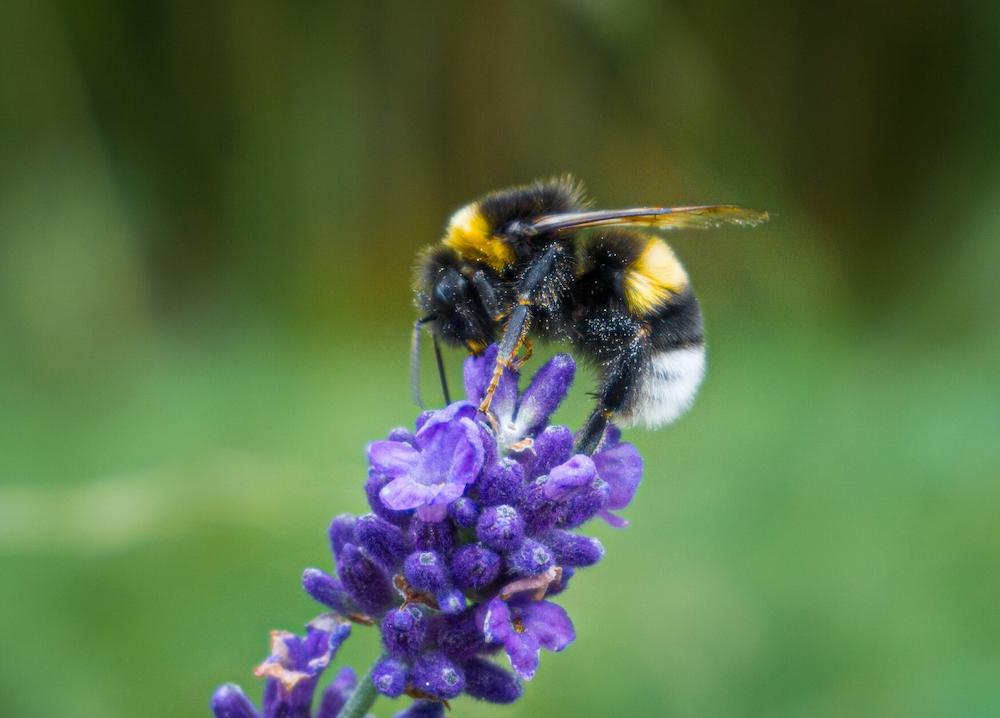
The UK has more than 250 species of bee alone, most of them solitary, and hundreds more hoverflies, butterflies and moths. A garden border planted with a continuous supply of nectar and pollen is one of the most useful things you can do for them.
Start with sun and shelter
Most pollinators prefer warm, sunny spots out of the wind. If possible, choose a site that receives at least six hours of sun and add a hedge or fence for shelter. Group plants in generous drifts: it is easier for insects to find a big patch than a single plant.
Plan for the whole year
- February to April: hellebores, snowdrops and crocus feed queen bumblebees as they emerge.
- April to June: daffodils, alliums, honeysuckle and native hedging blossom.
- June to September: catmint, salvia, echinacea, hardy geraniums, rudbeckia and lavender.
- September to November: sedum (Hylotelephium), ivy and late Michaelmas daisies keep late insects fed.
Choose flowers insects can use
Simple, open flowers allow easy access to nectar and pollen. Many heavily double flowers have been bred so that stamens are replaced by petals, leaving little to eat. Look for daisy-shaped flowers, flat-topped heads and spikes of small flowers.
Leave some mess
Seedheads feed birds, and hollow stems, leaf litter and undisturbed corners offer shelter to overwintering insects. Delay cutting back until late winter or early spring where you can, and leave a pile of logs or a bundle of hollow stems in a quiet spot.
Add water and a little wild
A shallow dish of water with stones as landing pads helps bees and butterflies in dry weather. A patch of longer grass, or a native hedge, extends the habitat for caterpillars and other wildlife.
Plants mentioned in this guide
Useful supplies
This guide is general advice for typical UK conditions. Results vary with your soil, local climate and the weather, and it is not a substitute for the instructions that come with any product.